Social Media Swore These Career Escape Routes Were the Answer — I Spent Months Testing Every Single One
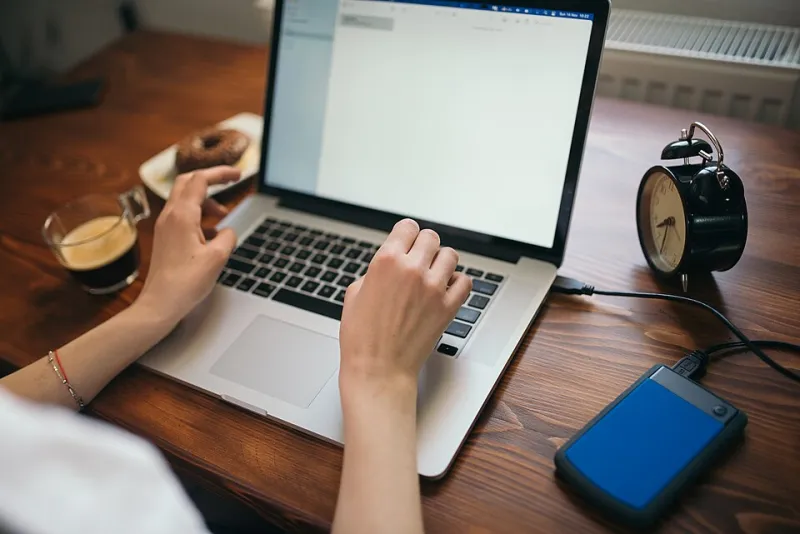
Photo: Shixart1985, CC BY 2.0, via Wikimedia Commons
Somewhere between my third consecutive Sunday-night anxiety spiral and my fourteenth scroll through a TikTok of a 26-year-old selling digital planners from a hammock in Bali, I made a decision. I was going to stop watching other people claim they'd cracked the code and actually try some of this stuff myself.
Not all at once — I'm not chaotic, I'm just curious. But over the course of several months, I dipped into the most-hyped alternatives to traditional employment that kept flooding my For You page. Side hustles, freelance pivots, the digital nomad lifestyle, creative entrepreneurship. The whole menu.
Here's what I found out.
The Side Hustle Promise (And the Part Nobody Films)
I started with the most accessible entry point: the side hustle. Print-on-demand stores, reselling thrifted finds on Poshmark, and a brief, ill-fated attempt at selling Etsy printables. The pitch on social media is always the same — passive income, minimal startup costs, freedom to scale.
The reality? It's a part-time job that doesn't pay like one. At least at first. My Poshmark experiment was actually the most honest of the bunch — I made money, but I was also photographing shoes at 10 PM and answering DMs about measurements during my lunch break. The "passive" part of passive income is doing a lot of heavy lifting in those videos.
Print-on-demand was even more humbling. After paying for design tools, running a few low-budget ads, and spending way too many hours researching trending phrases, I netted somewhere in the range of a fancy coffee per week. Sustainable? Technically. Liberating? Not even a little.
The honest takeaway: side hustles can absolutely supplement income, and some people do build them into real businesses. But the version being sold online skips the six to eighteen months of grinding before anything resembling momentum shows up.
Freelancing: Real Freedom or Just Self-Employment Anxiety?
This one I took more seriously because I had transferable skills going in — writing, light content strategy, that kind of thing. I picked up a few freelance clients through Upwork and some direct outreach, and for a stretch, it genuinely felt like the dream. Set my own hours. Took a Tuesday afternoon off. Wore pajamas to a client call (camera off, obviously).
But freelancing has a shadow side that the aesthetic flat-lays of MacBooks and oat milk lattes conveniently leave out. Income instability is real and it messes with your head in ways that a steady paycheck, however uninspiring, simply doesn't. One month I was turning down work. The next I was refreshing my inbox at midnight wondering if a client had ghosted me.
There's also the administrative weight — invoicing, chasing payments, managing your own taxes, figuring out health insurance if you're going fully independent. Nobody's making TikToks about estimated quarterly taxes, and that tracks, because it is genuinely unpleasant content.
Still, of everything I tested, freelancing felt the most structurally real. It's not a fantasy. It's a business, and if you treat it like one, it can actually work.
The Digital Nomad Experiment (Abbreviated Version)
I didn't move to Portugal. Let's be upfront about that. But I did spend three weeks working entirely remotely from a different city — a road trip-style test run of the location-independent lifestyle. New environment, different time zone, the whole thing.
What I learned: the romance of working from a coffee shop wears off approximately forty-five minutes into trying to join a Zoom call over spotty wifi while someone next to you runs a blender. The freedom is real, but so is the logistical overhead. Finding reliable internet, managing time zone differences with clients, and the low-key loneliness of not having any professional community around you — these are not small things.
I also noticed that the digital nomad content online skews heavily toward people who are either independently wealthy, running a business that was already established, or quietly supplementing their "freedom" with family money. The version where you spontaneously decide to work from Tulum on a freelance copywriter's income is a lot more complicated than the Reels suggest.
That said? I'd do a version of it again. A structured, planned version with reliable accommodations and a client roster that doesn't require me to be on-call. The concept isn't broken, it just needs scaffolding the influencer content never bothers to show.
Creative Entrepreneurship: The One That Actually Stuck (Sort Of)
This is the category I went into most skeptically and came out of with the most genuine respect for. I spent time developing a small creative project — a newsletter, specifically — that had no monetization pressure attached to it at the start. Just something I was making because I wanted to.
And here's the thing: that approach, stripped of the hustle urgency, actually built something. Not a full income replacement. Not a reason to quit anything immediately. But a creative practice with an audience that grew slowly and organically, and that felt like mine in a way none of the other experiments did.
The lesson I kept bumping into was that the creative entrepreneurship TikTok sells is usually already monetized before you see it. You're watching someone's polished output and being told it represents their beginning. It doesn't. What actually works in this space takes time, specificity, and a willingness to make something for a while before it makes anything back.
So What's the Actual Verdict?
None of these paths are lies, exactly. But none of them are the effortless liberation being marketed either. The through-line I kept finding was that every single "escape from the 9-to-5" option came with its own version of work, pressure, and uncertainty — just reorganized into a different shape.
Freelancing is real but requires treating it like a business. Side hustles can supplement but rarely replace without serious time investment. Digital nomad life is possible but benefits enormously from existing financial stability. Creative entrepreneurship is genuinely fulfilling but plays a long game that social media has no patience for.
The most useful reframe I landed on: these aren't escape hatches. They're different structures for the same fundamental reality, which is that building a livelihood requires effort, and anyone packaging it as freedom usually has something to sell you.
I'm still doing the newsletter. I'm still freelancing a little on the side. And I'm significantly less likely to watch a TikTok about passive income at 11 PM and feel like I'm falling behind.
That part, genuinely, feels like freedom.