BookTok Told Me These Novels Would Wreck Me Emotionally — I Mostly Just Got Annoyed
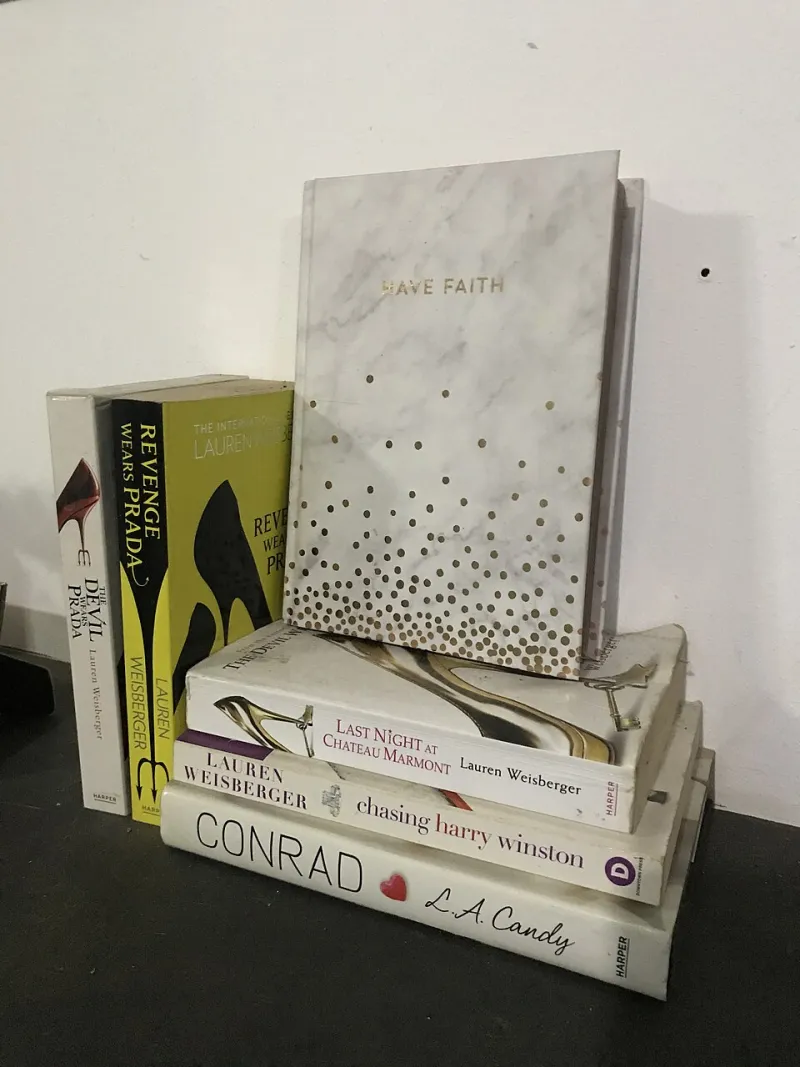
Photo: mycurrency.com, CC BY-SA 4.0, via Wikimedia Commons
I have a complicated relationship with being told a book will change my life. On one hand, I love reading. On the other hand, I have been promised transformation by enough airport thrillers and pastel-covered romance novels to know that the gap between "this book destroyed me" (said in a TikTok comment) and "this book is actually good" is roughly the size of the Grand Canyon.
But BookTok has been impossible to ignore. It's a corner of the internet that moves actual product — like, publishers pay attention to it, bookstores build whole displays around it, and regular people have apparently been rediscovering reading because of it. That's genuinely cool. So I committed. I spent a couple of months working through a stack of the most-hyped BookTok picks I could identify, from the weepy romantasy stuff to the dark academia darlings to whatever "cozy fantasy" is supposed to mean.
Here's my honest report from the field.
The Romantasy Pipeline Is Real and It Has a Formula
I'm going to be careful here because I know this fandom is passionate, but I need to say it: a lot of the romantasy picks follow a structure so predictable you could set a timer. Morally gray love interest with a tragic backstory? Check. Protagonist who's secretly more powerful than anyone realized? Check. A training montage scene that doubles as slow-burn tension? Always. A map at the front of the book that you'll reference approximately twice?
Here's the thing — I don't think formula is automatically bad. Genre fiction exists for a reason. People find comfort in knowing roughly what they're getting. But the BookTok discourse around some of these titles treats them like literary events, and when I finally got to them, I felt the particular letdown of something that was described as a five-star emotional experience and landed closer to a three-star pleasant enough afternoon.
That said — and I mean this — one of the romantasy titles I picked up genuinely surprised me. The world-building was specific in a way that felt earned rather than decorative, and the central relationship had actual friction that wasn't resolved by the halfway point. I'm not going to name names because I don't want to start anything, but it exists, and I finished it in two days, which for me is the real endorsement.
The "Dark" Books That Weren't That Dark
There's a whole category of BookTok recommendations that get tagged as dark, twisted, or "not for the faint of heart." I approached these with genuine curiosity because I actually like challenging fiction. Flannery O'Connor. Cormac McCarthy. Stuff that makes you sit with discomfort.
What I found instead was a lot of books where "dark" means "the protagonist has a complicated past" and "twisted" means "there's a morally ambiguous love interest who does one bad thing in chapter four and is forgiven by chapter twelve." A few of these reads felt less like darkness and more like the aesthetic of darkness — black covers, gothic fonts, a quote on the first page about surviving.
I DNF'd two of them without a single ounce of guilt. Life is short. I have a to-be-read pile that's embarrassingly tall.
Okay, But Some of These Were Actually Great
I don't want this to read as a full takedown because that's not accurate either. A few of the BookTok picks I worked through were genuinely excellent, and I think they went viral for real reasons rather than just algorithmic luck.
The ones that held up tended to have something in common: specificity. The characters had interiority that felt real — not just relatable in a broad, "she's clumsy and sarcastic" way, but actually specific. The plots had stakes that felt connected to the themes rather than just obstacles to the romance. And the prose, even when it wasn't literary, had rhythm. You could tell the author cared about sentences.
One literary fiction pick that had been all over BookTok for months turned out to be the kind of book I'll think about for a while. It was slower than I expected and not at all what the TikTok thumbnails suggested, but it had something to say and it said it well. That one I'd actually recommend.
Why Does BookTok Work the Way It Does
I've been thinking about this a lot. The videos that seem to move books the most are emotional — someone crying, someone saying "I haven't felt this way about a book since I was a teenager," someone doing a dramatic reading of a passage with music underneath. And here's the thing: that's not manipulation, exactly. Those are real reactions from real readers.
But emotion is contagious in a way that doesn't always translate. When someone cries about a book on camera, you absorb some of that feeling before you've read a single page. You arrive at the book pre-loaded with expectation. And then if the book doesn't hit you the same way — which it might not, because you're a different person with a different history — it can feel like the book failed, when really the setup just didn't match the experience.
I think BookTok is genuinely good at finding books that hit a specific emotional frequency for a specific kind of reader. The problem is the way the algorithm flattens that into "everyone will feel this" when really it's "some people will feel this intensely and others will feel basically nothing."
My Actual Takeaway After All Those Pages
I came out of this experiment with a more nuanced relationship to the whole thing. BookTok is not a scam. It's also not a reliable oracle. It's a community of readers who love books and love talking about books and sometimes get very loud about books that hit them personally — and that energy is worth something even when the book itself doesn't deliver for you.
My advice: use BookTok as a starting point, not a verdict. Read the actual reviews on Goodreads, including the two-star ones. Pay attention to what specific readers with similar tastes to yours are saying, not just what's trending. And absolutely do not feel bad about putting something down if it's not working by page fifty.
Reading should feel like something. If it doesn't, you're allowed to move on.
I've got a stack of non-BookTok picks sitting on my nightstand that I'm genuinely excited about, which honestly might be the best thing this experiment gave me — a reminder that discovery doesn't have to come from an algorithm.