The Wellness Industry Keeps Renaming Burnout and Calling It a Movement — I Tested the Whole Catalog
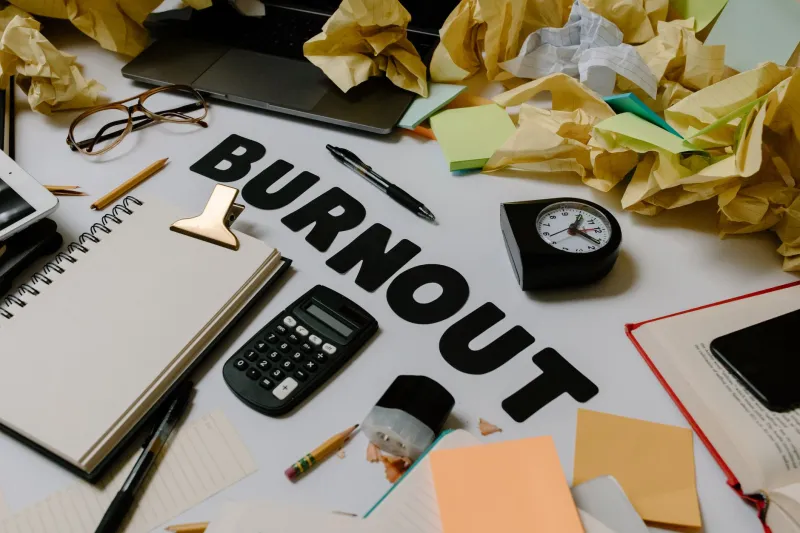
Here's a fun game: go back through your TikTok saved folder from the last two years and count how many different trending philosophies promised to fix your relationship with work. I did this recently and came up with eleven. Eleven. Bare minimum Monday. Soft life. Slow productivity. Intentional underperforming. Boundary-stacking. Delusional confidence scheduling. Anti-ambition alignment. That last one I'm pretty sure someone just made up in a Canva carousel, but it had 200,000 likes, so here we are.
After the bare minimum Monday wave crested and crashed — remember when every HR department suddenly had Opinions about it? — the content machine didn't pause for a single breath before rolling out the replacements. I watched all of them flood my feed. And then, because I apparently enjoy suffering in a structured way, I actually tried them.
This is my report.
What I Actually Tested (And For How Long)
I gave myself about six weeks and worked through five of the most prominent post-bare-minimum frameworks making the rounds right now. I'm not going to drag every single one by name because honestly some of these creators are just people trying to cope with bad jobs, and that's relatable. But I will describe what each philosophy asked of me and what I actually got out of it.
Intentional Underperforming asked me to consciously choose one task per day to do at 60% effort — not zero effort, just less effort — and sit with the discomfort of not over-delivering. This one actually had some promise for the first week. There's something quietly radical about sending an email that doesn't have three rounds of self-editing behind it. By week two, though, I noticed I was spending more mental energy deciding which task to underperform on than I was saving by doing it at 60%. The philosophy had replaced one form of overthinking with another. Classic.
Boundary-Stacking is the idea that you layer small, low-conflict limits on top of each other — declining one optional meeting, turning off Slack notifications for two hours, not answering emails after 6pm — until the cumulative effect creates meaningful space in your workday. In theory, this is just... having a job like a normal person. In practice, the content around it is packaged so aggressively as a lifestyle that you end up spending your newfound free time reading more content about boundary-stacking. The boundary I needed was from the boundary content.
Delusional Confidence Scheduling — and yes, this is a real thing people are promoting — involves blocking your calendar as if you already have the schedule of someone whose time is deeply respected, then defending those blocks with the energy of someone who believes it. I tried this for ten days. My manager overrode three of my blocks in the first week. The philosophy doesn't account for the fact that most of us don't have unilateral authority over our own calendars, which is, you know, a foundational problem.
Anti-Ambition Alignment wants you to audit your goals and remove any that were installed by external pressure — parents, LinkedIn, the general ambient dread of falling behind. What's left, the theory goes, is your authentic ambition. This one is genuinely interesting as a journaling exercise. It's also completely divorced from the material reality that rent exists and authentic ambition doesn't always pay it.
Soft Scheduling — the most recent one I encountered — asks you to assign your tasks to "energy windows" instead of time blocks, working only when you feel naturally inclined toward a given type of thinking. Creative work when you feel creative. Admin when you feel mechanical. Rest when you feel depleted. I want to live in the world where this is possible. I do not live in that world. I live in a world with deadlines.
The Pattern Nobody Wants to Talk About
Here's what struck me after six weeks of good-faith testing: every single one of these frameworks is built around the assumption that the problem is how you work, not where you work or for whom. They're all personal optimization strategies dressed up as resistance.
That's not nothing — personal optimization can genuinely help at the margins. But there's something a little uncomfortable about the way these philosophies get packaged and sold. The message is always some version of: you have more power than you think, you just need the right framework. And that message is soothing! It's also, in a lot of cases, not true. The power dynamics in most American workplaces are not going to bend because you started blocking your calendar with more confidence.
What bothers me most is the speed of the rebrand cycle. Bare minimum Monday got mainstream enough that corporate HR started co-opting it — writing blog posts about how managers could "support" employees through it, which is the wellness equivalent of a restaurant charging you for the bread basket — and within months, a new set of philosophies had emerged to replace it. Each one promising to be the version that actually works. Each one generating content, courses, and eventually, a backlash that feeds the next cycle.
We are not running out of burnout. We are running out of new words for it.
What Actually Helped (A Little)
I don't want to be entirely cynical here, because a couple of things from this experiment genuinely made a small, real difference in my week.
The 60% effort concept, stripped of its branding, reminded me that perfectionism is often anxiety dressed up as professionalism. Sending a good-enough email instead of a perfect one is a recoverable act. Nobody has ever noticed.
The energy window idea, even though I can't fully implement it, made me more aware of when I was forcing myself to do creative thinking at 4pm on a Thursday, which is the cognitive equivalent of asking your phone to update software at 2% battery. I can't always honor my energy windows, but knowing they exist made me a little less frustrated when the work felt hard.
Small things. Useful things. Not movements. Not philosophies. Just small adjustments that cost nothing and require no content consumption to maintain.
My Actual Takeaway
The wellness industry and the productivity content space have a shared incentive to keep you in the cycle. If any one framework actually fixed your relationship with work for good, you'd stop clicking. The churn is the product.
I'm not saying don't try things. Try things. But maybe try them the way you'd try a new restaurant — with low stakes and no expectation that it's going to change your life — rather than with the desperate hope that this one is the philosophy that finally makes your inbox feel manageable.
Because the inbox will not feel manageable. That's not a you problem. That's just Monday.
Susie's Reviews covers the stuff everyone's talking about — with the honesty nobody's giving you. Real talk. Real picks. Susie's got opinions.