Can You Actually Look Rich for Under $200? I Shopped the Quiet Luxury Trend So You Don't Have To
If you've been anywhere near fashion content in the last two years, you've seen the aesthetic: muted tones, clean lines, cashmere that costs more than a car payment. Quiet luxury is the look that says 'I summered somewhere' without actually saying anything at all. It's Succession cosplay for the rest of us. The problem is that the actual version — the Loro Piana, the Brunello Cucinelli, the Row — runs thousands of dollars per piece. I don't have thousands. What I do have is a stubborn need to test things and a willingness to visit every accessible retailer within my zip code.
So I set myself a rule: every complete outfit had to come in under $200, total. Not per piece. Total. I'd style the looks, wear them in public, and be brutally honest about what actually conveyed effortless wealth and what just looked like I was trying really hard at a vibe.
Spoiler: the results were mixed, occasionally humbling, and genuinely useful.
What 'Quiet Luxury' Actually Means Before We Go Any Further
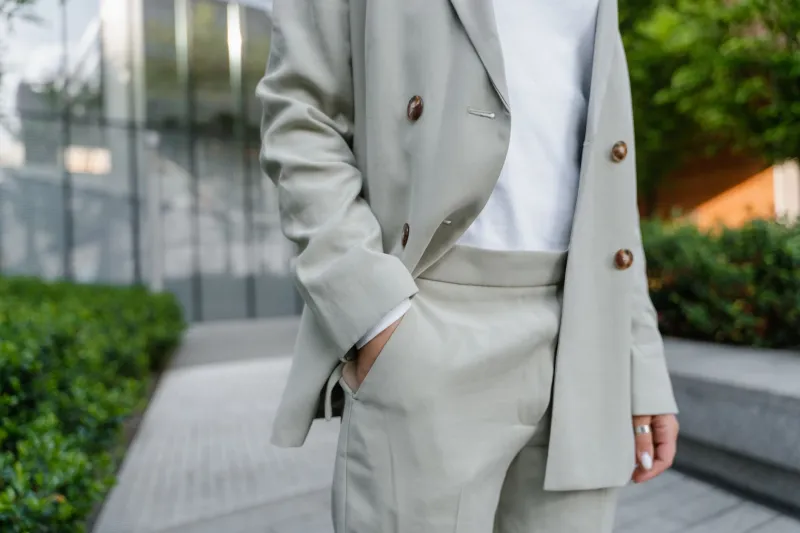
Let's define the thing. Quiet luxury isn't about logos. It's almost aggressively anti-logo. It's about fit, fabric quality, and a color palette that essentially runs from cream to camel to navy with occasional detours into slate gray. The silhouettes are relaxed but intentional. Nothing is trendy. Nothing is loud. The whole point is that the clothes look like they've been in your wardrobe for fifteen years and you just haven't thought about them.
That last part is actually the hardest thing to fake. Newness reads as effort. Quiet luxury reads as indifference. And indifference, apparently, is the most expensive thing you can wear.
The Wins: Pieces That Actually Delivered
My first stop was Quince, which has built its entire brand around the 'luxury fabrics, not luxury prices' pitch. I picked up a camel-colored 100% cashmere crewneck for $50. I want to be clear: it looks good. Like, genuinely good. Worn over wide-leg trousers with minimal jewelry, it hit every note the aesthetic requires. The weight feels substantial, the color is exactly the kind of warm neutral that photographs like money. Nobody at the coffee shop knew it cost fifty dollars. I barely believed it.
H&M's premium line — not the fast-fashion main floor stuff, but the more tailored pieces buried in the back — surprised me. A pair of straight-leg trousers in a warm oatmeal tone cost me $45 and had a clean break at the ankle that honestly required zero tailoring. The fabric isn't going to fool a fashion editor up close, but at a dinner table or in a meeting room, they read as intentional and polished. That's the job.
Uniqlo, predictably, came through. Their merino wool turtlenecks are a quiet luxury staple that actual stylists recommend without embarrassment. I grabbed one in ivory for $40. Layered under a relaxed blazer from Banana Republic Factory (on sale, $65), the combination looked like something a woman named Charlotte who weekends in Connecticut would wear. I mean that as a compliment.
The Misses: When Budget Betrays the Bit
Not everything worked, and I'd rather tell you now than let you find out the hard way in a dressing room.
I tried to make a faux-leather belt work — quiet luxury loves a good leather belt — but the $18 version I grabbed from Amazon had a texture that caught the light in a very synthetic way. Up close, it undermined every other piece I'd carefully selected. Real leather, even a basic option from a mid-tier brand, is one of those places where the budget shortcut shows. This is not the area to cut corners.
I also attempted a linen-blend shirt from a fast-fashion retailer that shall remain nameless. The color was perfect — a soft ecru — but the fabric had that slightly stiff, slightly shiny quality that reads as 'discounted' from across the room. Quiet luxury is built on fabric that drapes. If your shirt stands up on its own, you're not there yet.
Shoes were my biggest challenge. The aesthetic calls for simple leather loafers, ballet flats, or clean white sneakers. Under $200 for the whole outfit meant I was working with shoes I already owned. If you're starting from scratch, I'd argue that shoes are where you spend whatever budget you have left, because cheap footwear dismantles the entire illusion faster than anything else.
The $187 Outfit That Actually Worked
Here's the full breakdown of the combination that got the most consistent 'you look put together' comments over two weeks of wearing it:
- Quince cashmere crewneck in camel: $50
- H&M straight-leg trousers in oatmeal: $45
- Uniqlo merino turtleneck (worn as a layer under the crewneck, peeking at the neck): $40
- Simple pearl stud earrings from Mejuri: $52
Total: $187. The layered turtleneck-under-crewneck thing sounds like too much but it's genuinely one of the easiest ways to look intentional without trying. The monochromatic warm neutrals did the heavy lifting. Nobody asked where I bought anything, which is the quiet luxury dream.
The Honest Verdict
Here's what I actually think after a month of this experiment: the aesthetic is more achievable than the content around it suggests, but it requires you to stop shopping for individual pieces and start thinking in outfits. One great cashmere sweater surrounded by cheap, ill-fitting bottoms doesn't read as quiet luxury. It reads as one good sweater. The magic is in the cohesion.
Fabric quality and fit are the two places where the budget version can fall apart fastest. If you can only invest in one thing, invest in fit — even if that means getting something inexpensive tailored. A $30 pair of trousers that actually fits your body will always outperform a $150 pair that doesn't.
And honestly? The aesthetic's best trick is simplicity. Fewer pieces, better chosen, in colors that actually work together. That part doesn't cost anything except a little patience and a willingness to return things that aren't quite right.
Quiet luxury on a real budget is possible. It just requires you to shop slower than the algorithm wants you to.